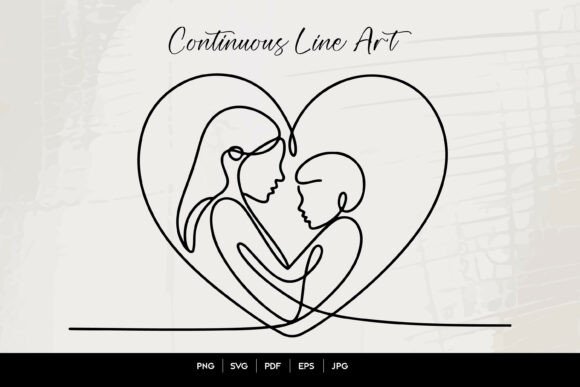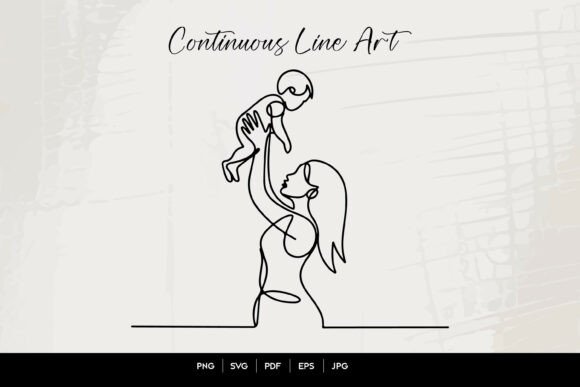
Mother Lifting Child Line Art
A Quiet Moment, Cleanly Drawn — First Impressions That Hold Up
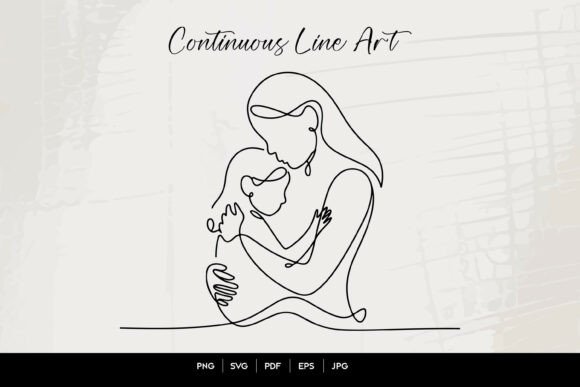
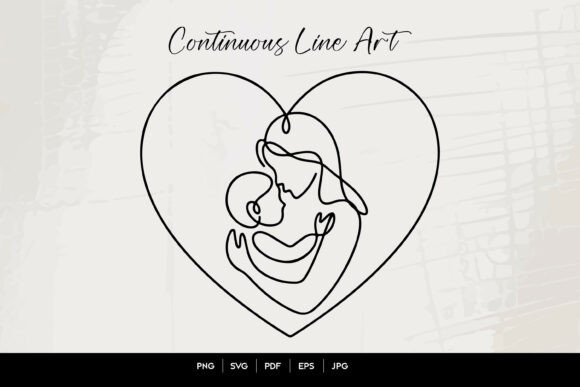
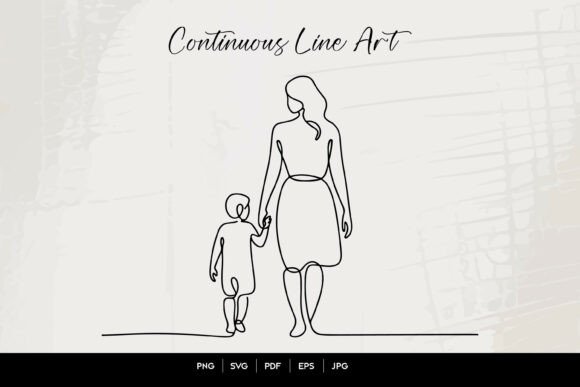
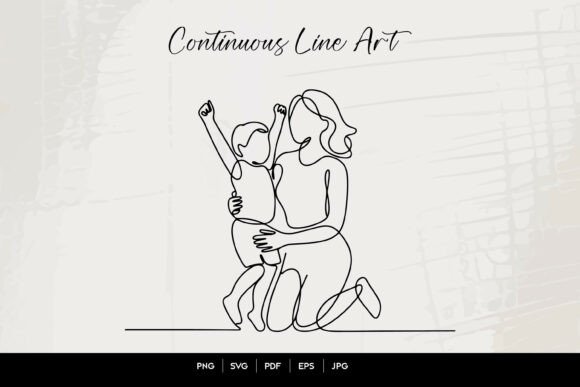
When I opened Mother Lifting Child Line Art, what struck me wasn’t just the subject—it was the breathing room. This isn’t a busy, layered illustration. It’s a single-weight, confident line drawing: mother bent slightly at the knees, arms supporting her child mid-lift—both faces serene, bodies aligned with gentle intention. There’s no shading, no facial detail beyond suggestion, no decorative flourishes. Just contour, flow, and quiet emotional weight. As a designer who’s stitched hundreds of motherhood-themed pieces for boutique clients and Etsy shops, I immediately saw its strength: it reads clearly at 3 inches *and* holds presence at 6 inches. That balance is rare—and essential for real embroidery work.
Where It Lives Best: Tote Bags, Nursery Pillows, and Thoughtful Gifts
I tested Mother Lifting Child Line Art on a natural linen tote bag (medium-weight, tight weave) and a cotton-blend baby pillow cover—two of the most common requests in my small craft business. On both, the clean lines translated beautifully into satin stitch outlines with minimal fill. No jagged edges, no lost corners. The lift motion creates a natural upward curve that follows fabric drape, so it doesn’t fight the surface. For holiday embroidery or personalized gifts—think “For Mama & Leo, 2024” stitched beneath it—the simplicity lets the sentiment land without visual noise. It also works well as an embroidered patch: the shape is compact enough to fit a 4-inch hoop, yet distinctive enough to stand alone on a denim jacket or apron pocket.
Where to Pause and Plan Ahead
This design shines on stable, medium-to-heavy fabrics—but tread thoughtfully on stretchy knits, thin voile, or textured terry cloth. On a lightweight cotton t-shirt, I found the outer line needed slight thickening in digitizing (a quick pass in my embroidery software) to prevent thread breakage and ensure crispness after washing. Dark fabrics demand high-contrast thread—navy or charcoal thread on black fabric disappears unless you add a subtle underlay or switch to white/cream. And while the file includes PNG, SVG, EPS, PDF, and JPG formats (great for mockups and digital product previews), remember: none of those are machine embroidery files out of the box. You’ll need to digitize it—or hire a digitizer—before stitching. Don’t assume the SVG will load directly into your Bernina or Brother.
Stitching Clarity Starts With Intention
The line art’s minimalism is its superpower—but also its limitation. There’s no built-in satin stitch border, no fill zones, no jump-stitch optimization. That means you decide how much texture it carries. Want softness? Use a gentle running stitch outline with light fill in the child’s dress. Prefer boldness? Go full satin stitch on the entire silhouette—just watch stitch density. Too dense, and it’ll pucker thin cotton; too sparse, and the shape blurs on brushed fleece. I recommend testing on scrap fabric first, especially if you’re using it for commercial embroidery or small shop products where consistency matters.
What It Adds to Your Craft Business—Beyond Aesthetics
Mother Lifting Child Line Art elevates perceived value because it feels intentional, not generic. Customers browsing Etsy for “mom embroidery designs” or “nursery decor graphics” respond to authenticity—not clipart energy. When used on a handmade tea towel or kitchen apron, it signals care in curation. When paired with neutral thread on oatmeal linen, it reads as elevated craft—not craft fair filler. That builds trust. It also scales well across branding: use the PNG for your website banner, the SVG for your logo lockup, the PDF for printable mockups in your digital product listings. As a Graphics asset, it’s flexible. As a Crafts foundation? It’s quietly professional.
Practical Designer Notes Before You Stitch
- Always test on scrap fabric—especially if stitching on curved surfaces like caps or baby onesies.
- Check thread color contrast on both light and dark backgrounds before finalizing your mockup.
- Review stitch density in your digitized version—avoid overfilling the child’s head or mother’s hands, where detail is subtle but critical.
- Confirm hoop size compatibility: the original line art fits comfortably in a 5x7 hoop, but digitizing may shift proportions.
- Inspect small details at actual stitch scale—those fingers and lifted toes must remain legible post-embroidery.
- Test black-and-white mockups to gauge readability without color crutches.
- Use appropriate stabilizer: cutaway for knits, tear-away for stable wovens, fusible for lightweight linens.
- Verify licensing terms before selling finished items or bundling the files—this listing mentions no usage restrictions, but always double-check.
Final Thought: Simplicity With Substance
Mother Lifting Child Line Art won’t shout from a crowded craft fair table—but it will hold someone’s gaze longer than expected. It’s the kind of design that gets framed, not folded away. It works for sweatshirt embroidery when kept minimal, for baby embroidery when softened with pale pink thread, for holiday embroidery when stitched onto organic cotton stockings. It’s not flashy. It’s focused. And in a market flooded with overdesigned, overdigitized motifs, that focus is its strongest stitch.