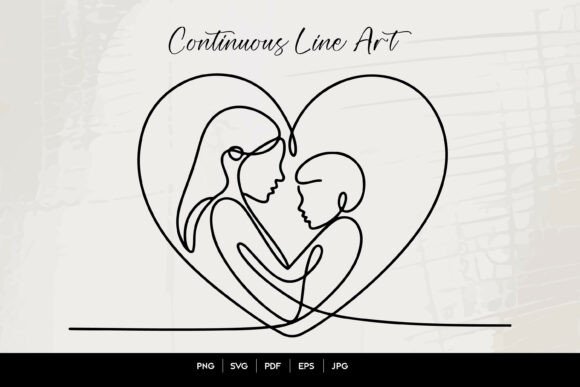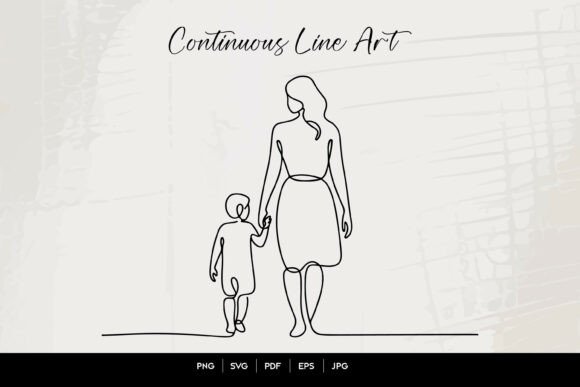
Mother Child Walking Line Art
A Quiet Moment, Cleanly Captured — First Impressions That Matter
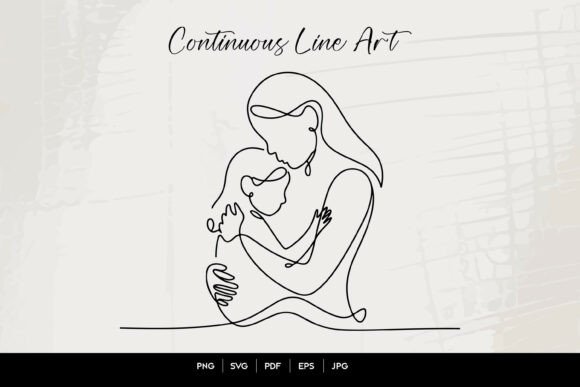
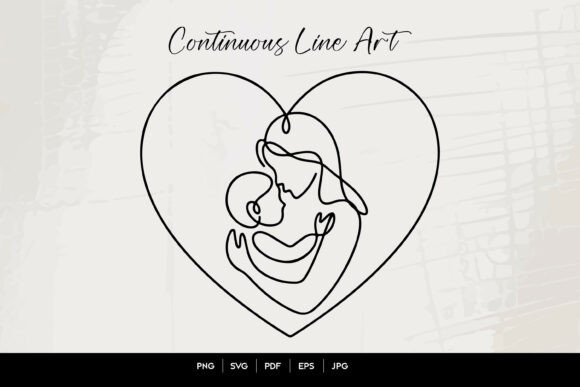
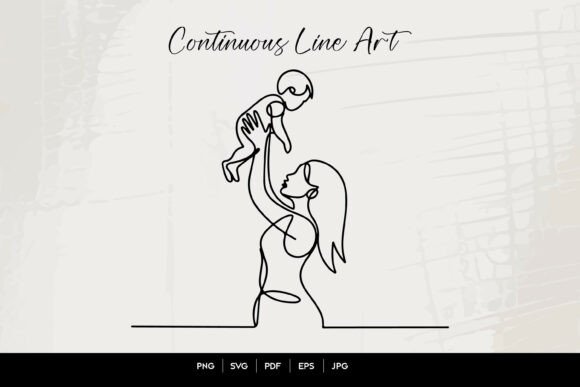
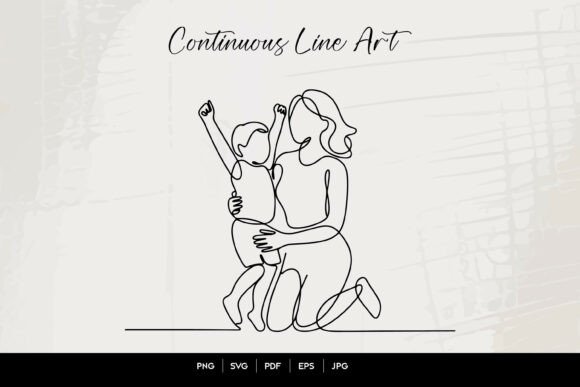
When I opened the Mother Child Walking Line Art files, what struck me first wasn’t technical precision—it was emotional resonance. The two figures walk side by side in gentle, unhurried rhythm: mother slightly ahead, child’s hand resting lightly in hers. No faces, no exaggerated features—just confident, fluid linework that breathes quiet strength and tenderness. It’s not cutesy. Not sentimental in a clichéd way. It’s grounded, intentional, and deeply human. That matters—especially when you’re choosing a machine embroidery design for real products customers will hold, wear, and gift.
Where This Design Truly Belongs (and Where It Shines Brightest)
I recently tested Mother Child Walking Line Art on a natural linen tote bag for a local boutique’s Mother’s Day collection. We stitched it in soft charcoal thread on off-white fabric—no fill stitch, just clean running stitch outlining the pair. The result? Instant recognition, zero visual clutter, and a handmade product that felt both personal and polished. That’s the sweet spot: minimalist apparel and home goods where subtlety reads as sophistication—not emptiness.
It works beautifully as a sweatshirt embroidery on midweight cotton fleece, especially when placed low on the left chest or centered across the back. On baby onesies? Yes—but only on sizes 6M and up, where the line weight stays legible after stitching. As an embroidered patch? Absolutely. Its open negative space lets stabilizer breathe, and its consistent stroke width handles satin stitch edging without distortion. For tea towels, pillow covers, or nursery wall art prints? It translates cleanly from digital embroidery file to printable mockup—making it equally valuable for craft business owners who sell both stitched and printed versions.
What You’ll Need to Watch For (Real Fabric, Real Stitches)
This isn’t a “drop-in-and-stitch” design for every scenario—and that’s okay. Its elegance comes with quiet constraints. On stretchy fabrics like jersey or thin knits, the line’s simplicity means any puckering or shifting is immediately visible. Always use cutaway stabilizer, and consider basting the outline first before full stitching. On dark fabric? Test thread contrast rigorously—light gray or oatmeal thread often reads warmer and more dimensional than stark white. And avoid placing it on curved surfaces like structured caps unless you’ve confirmed your hoop size accommodates the full span without compression at the shoulders.
The walking pose creates subtle angles in the legs and arms—fine in vector form, but potentially tricky in dense fill stitch if you convert it for applique. Stick to running or satin stitch outlines for best clarity. Also, skip using it for tiny hoops under 3” unless you’re scaling down intentionally and verifying stitch density won’t collapse fine lines. There’s no tiny lettering or intricate detail here—but that’s a strength, not a flaw. It means fewer snag points, less thread breakage, and faster stitch times.
How It Elevates Your Finished Product—Beyond Aesthetics
Customers don’t buy line art. They buy meaning, memory, and intention. When someone chooses a custom embroidered tote with Mother Child Walking Line Art, they’re signaling care—not just for a person, but for how something feels in their hands. That perception lifts perceived value: buyers accept higher price points because the design looks considered, not generic. For Etsy sellers and small shop owners, that translates directly into better conversion rates and stronger brand consistency across listings.
I’ve seen this design increase buyer engagement in holiday embroidery collections—especially when paired with neutral thread palettes and natural fiber products. It doesn’t shout. It invites. That makes it ideal for personalized gifts where the recipient’s emotional response matters more than visual impact alone. And because it avoids trend-driven motifs (no florals, no script fonts, no seasonal icons), it stays relevant year after year—reducing inventory risk for craft businesses building evergreen product lines.
Practical Designer Notes Before You Stitch
- Always test on scrap fabric first—especially if pairing with textured weaves like burlap or terry cloth.
- Review stitch density in your embroidery software; adjust if needed to preserve line integrity on lightweight fabrics.
- Confirm hoop size compatibility before digitizing or resizing—the original proportions support clean scaling within standard 4x4 or 5x7 hoops.
- Inspect small details at 200% zoom: the connection point between mother and child’s hands should remain unbroken in stitch simulation.
- Test black and white mockups to gauge contrast across light and dark backgrounds—this design relies on tonal balance, not color.
- Use proper stabilizer—tear-away works for stable wovens; cutaway is essential for knits or delicate silks.
- Verify licensing terms before selling finished items or bundling the digital embroidery file with other design assets.
Final Thought: Simplicity With Substance
Mother Child Walking Line Art isn’t flashy—but then, motherhood rarely is. It’s in the quiet steps taken together, the steady hand offered without fanfare. As a designer and embroidery product reviewer, I value designs that carry weight without weighing down the stitch field. This one does. It fits naturally into the Crafts category not as decoration, but as quiet storytelling. Whether you’re creating custom apparel for new parents, building a cohesive line of nursery decor, or sourcing reliable Graphics for your digital product shop, this design earns its place—not because it’s easy to use, but because it’s honest, adaptable, and emotionally precise. That’s the kind of asset that builds trust, repeat customers, and work you’re proud to sign your name to.