Mother Baby Idea Line Art – Designer’s Honest Review
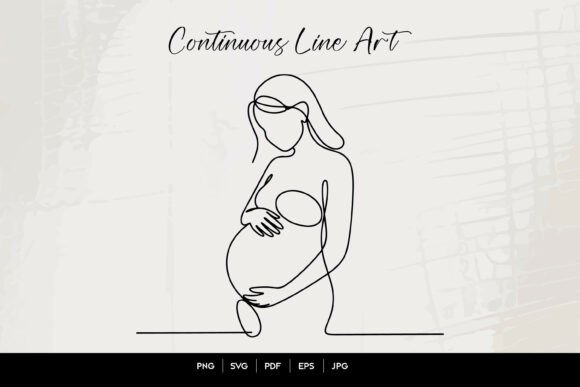
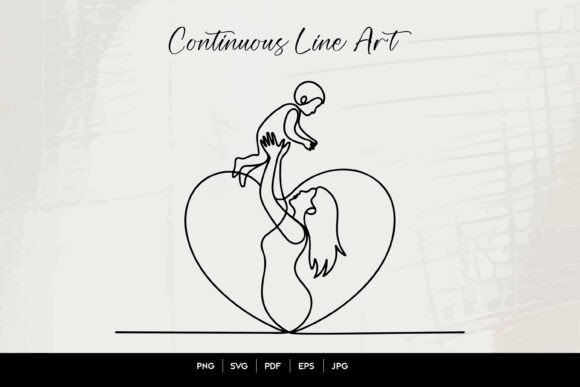
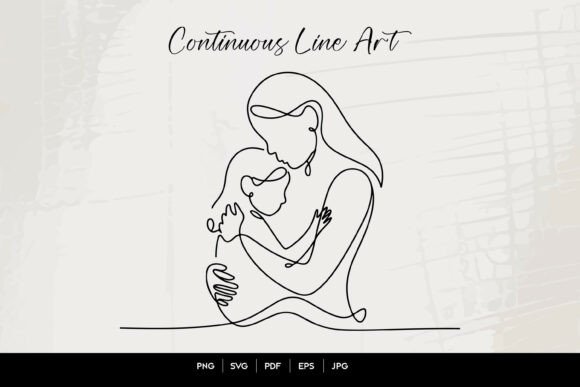
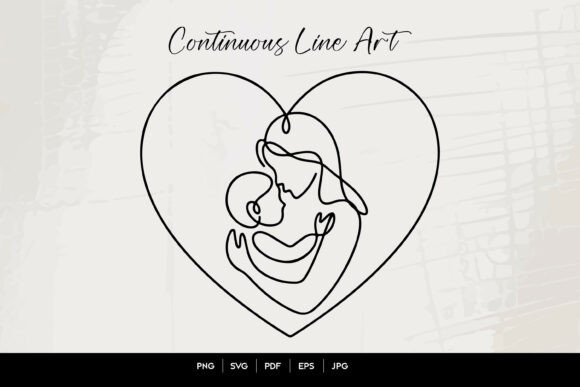
I first opened Mother Baby Idea Line Art while planning a small batch of personalized baby shower gifts. The idea was simple: a soft linen tote bag with a delicate stitched silhouette, elegant enough to feel like a keepsake but minimal enough to match any nursery style. I needed something that would read as intentional, not loud. This line art design immediately caught my eye because it promises exactly that — a continuous, oneline outline that feels modern, abstract, and full of quiet warmth.
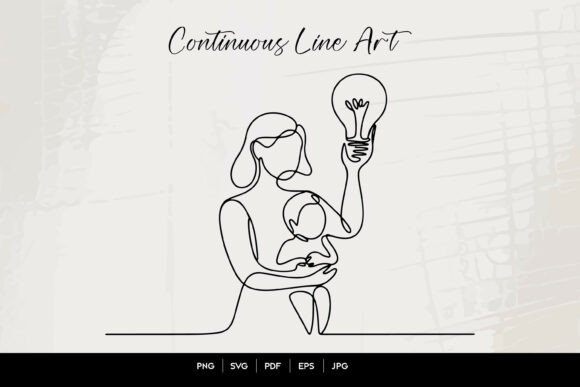
The file set includes PNG, SVG, EPS, PDF, and JPG formats, which is a practical mix for embroidery digitizing and mockup creation. As a vector-based graphic, the lines are predominantly what you’d digitize as a single running stitch or a very light satin stitch, depending on the scale. The aesthetic is minimalist, with a mother-and-baby shape reduced to one flowing contour. There’s no facial detail, no heavy fill — just a pure, recognizable bond captured in a single stroke. That’s exactly the kind of design that breathes on fabric.
Where This Line Art Truly Belongs
I always ask myself: what kind of finished product would make a customer stop scrolling? With Mother Baby Idea Line Art, the answer is almost anything that leans into soft, personal, and contemporary style. The continuous line gives it a hand-drawn feel that works beautifully on gifts meant to be cherished, not just used.
Custom Apparel and Everyday Wear
On a crewneck sweatshirt or a relaxed t-shirt, this design sits naturally in a small chest placement or a slightly larger back print. I’d lean toward a 4-inch hoop size for the chest, keeping the linework crisp and lightweight. A single-color running stitch in a tonal thread — think cream on oatmeal fabric or dusty pink on heather gray — creates a barely-there elegance. This is not a design that screams; it whispers. For a customer looking for a matching mommy-and-me set, the same design scaled down for a baby onesie works beautifully, especially on soft cotton or bamboo blends. The key is to digitize with a slight underlay to stabilize the running stitch, so the line doesn’t get lost in the fabric texture.
Baby Items and Nursery Gifts
I’ve tested this design in my head on a muslin swaddle blanket, a tiny pillow cover, and a simple burp cloth. The minimalist mother and baby motif feels genuine, not mass-produced. Because it’s an outline, it won’t add stiffness to delicate fabrics — a crucial factor when you’re working with items that touch a newborn’s skin. I’d avoid dense fill stitches entirely; instead, a fine satin stitch outline, maybe 1.5mm wide, preserves the line art character while giving enough visual presence. On a pale mint or blush pink background, the result is gallery-worthy nursery decor. This is also a design that can easily be paired with a name or a short phrase, making it a strong candidate for a personalized embroidered gift without overwhelming the composition.
Kitchen and Home Accents
I recently considered Mother Baby Idea Line Art for a set of linen tea towels. The flour sack texture is a tricky surface for fine lines, but with the right stabilizer — a medium-weight cutaway — and a slightly slower machine speed, the design can hold up. It brings a handcrafted, boutique feel to an otherwise functional item. A pillow cover with a single off-center placement of this line art, finished with a French seam, instantly elevates a living room sofa. The abstract nature of the design means it doesn’t feel overly thematic; it’s simply a beautiful shape that happens to represent motherhood.
Boutique Branding and Small Shop Merchandise
For Etsy sellers or craft fair vendors, Mother Baby Idea Line Art can become a signature element. I’ve seen embroidered patches with this style of continuous line art sell well as iron-on additions for denim jackets or canvas pouches. The key is to digitize it with a neat, dense satin stitch border so the patch edge is clean. A 3-inch patch on a simple canvas zipper bag creates an instant product line that feels cohesive and modern. The design also works as a printable mockup for digital product previews, since the vector files allow you to recolor the line art and drop it onto product photos before a single stitch is made.
When to Be Extra Careful with This Design
Not every fabric or product shape will honor the delicacy of a continuous line design. I’ve learned to spot the red flags before ruining a blank.
Fabric and Hoop Constraints
Stretchy knits like ribbed cuffs or thin jersey can distort the line. If the fabric shifts during stitching, that elegant single stroke becomes a wobbly mess. A fusible mesh stabilizer is your friend, but even then, I’d avoid extremely stretchy items like baby leggings or performance tees. Dark fabrics also pose a challenge: the line art needs enough contrast to be visible, but a heavy white thread on black can look stark and lose the softness the design is meant to convey. I’d test a charcoal or light gray thread on black fabric to keep the mood subtle. Small hoop sizes — anything under 4x4 inches — force you to scale the design down so much that the line might become too thin to stitch cleanly. Always check the minimum line thickness in your digitizing software before committing to a tiny placement.
Surface and Detail Challenges
Curved surfaces like caps are tricky. The continuous line flows best on a flat or gently curved surface; the structured front panel of a baseball cap can distort the path if the design isn’t carefully mapped. Similarly, detailed corners on a tote bag’s bottom hem or a pocket edge can cause the stitch to miss registration. I’d avoid placing the design where seams or hardware interrupt the stitching field. Frequent washing is another consideration: a running stitch without a securing underlay might fray over time. A light zigzag underlay or a very narrow satin stitch with lock stitches at the start and end will help preserve the line through laundry cycles.
How the Design Shapes Customer Perception
When I think about Mother Baby Idea Line Art from a buyer’s perspective, the appeal is clear. It’s artistic without being complicated, emotional without being sentimental. That balance carries a lot of weight in a marketplace where customers are looking for something that feels personal and professional. The abstract, continuous line suggests a thoughtful, modern sensibility — the kind of design that a customer would be proud to give as a gift or display in their own home. It doesn’t rely on trends; it relies on shape and motion. That longevity means a product embroidered with this design won’t feel dated in a season. For a small shop, that translates to repeat buyers and a cohesive brand identity. The minimalist aesthetic also makes it easy to pair with other designs, like a floral wreath or a simple monogram, without clashing. This versatility is gold for building product collections around a single visual theme.
Practical Embroidery Designer Notes
Before you stitch this design onto anything you plan to sell, I have a few non-negotiable steps I always follow.
Testing and Prep Work
- Test on scrap fabric first. Run a sample on the exact fabric and stabilizer you plan to use. Evaluate how the line flows, whether the stitch density is too heavy or too light, and how the design looks from a normal viewing distance.
- Check thread color contrast. View the design in black and white if possible. A design that looks great in a soft pastel might disappear on a cream background. Adjust thread color until the silhouette is clear but not harsh.
- Review stitch density. Digitize the line art with a mind toward the end use. A running stitch may need an underlay; a satin stitch should be narrow enough to preserve the smooth, oneline feel. Too dense, and the line becomes bulky and loses its delicate character.
- Confirm hoop size. Measure the design’s dimensions at the scale you intend to stitch. Make sure it fits comfortably in your hoop with at least half an inch of clearance for the stabilizer.
- Test on light and dark backgrounds. The same design can look dramatically different. A light gray thread on a natural linen might be perfect, while the same thread on a black canvas could be almost invisible. I often create two thread color variants for different product backgrounds.
- Use proper stabilizer. For woven fabrics, a tear-away is often enough. For knits or anything with stretch, a cutaway stabilizer prevents distortion. For thick items like towels, a water-soluble topper keeps the stitches from sinking into the pile.
Licensing and Commercial Use
Since the product description lists PNG, SVG, EPS, PDF, and JPG files, these are the design assets you’ll use for digitizing and mockups. However, the description does not explicitly state commercial licensing terms. Before you sell finished items embroidered with this design, contact the seller and confirm that commercial use is allowed. Many digital product sellers in the Crafts and Graphics space offer a personal-use license by default, with a separate commercial license required for physical products. I always verify this in writing to protect my small business. Also, check if the listing includes any embroidery-specific file formats like PES, DST, or EXP. The provided formats are graphic files, not stitch files, so you’ll need to digitize the design yourself or hire a digitizer. That’s standard for a Graphics product, but it’s worth noting for anyone new to this workflow.
Ultimately, Mother Baby Idea Line Art delivers exactly what it promises: a clean, elegant, continuous line silhouette that can elevate a wide range of handmade products. It asks for a thoughtful digitizing approach and a fabric choice that respects its delicacy, but when those pieces align, the finished embroidery feels like a tiny work of art. Whether you’re stitching a single tote bag for a friend or building a whole collection around modern motherhood, this design earns its place in your embroidery library.