Pregnant Woman Line Art: A Designer’s Real-World Embroidery Review
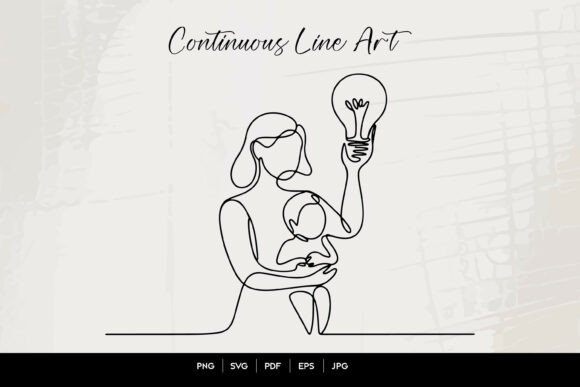
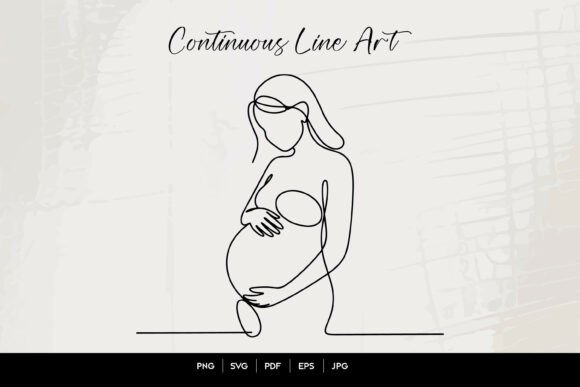
Let’s be honest—I opened Pregnant Woman Line Art expecting simplicity, but what I found was quiet confidence. As a designer who’s stitched over 200 maternity-themed projects (from boutique baby blankets to Etsy sweatshirt collections), I don’t reach for line art unless it carries weight without clutter. This one does. It’s not cutesy. Not overly sentimental. Just clean, intentional, and deeply human—a woman cradling her bump with gentle posture, no facial features, no props, no distractions. That restraint is its strength—and its first real test.
First Impressions: Mood, Scale, and Embroidery Readiness
The silhouette reads instantly: feminine, calm, grounded. At medium scale (roughly 3.5–4.5 inches tall), it holds presence on a tote bag or pillow cover without dominating. But zoom in, and you’ll notice the subtle curve of the shoulder line, the soft taper of the arm, the intentional negative space around the belly—details that translate beautifully into satin stitch or delicate running stitch. There’s no fine linework below 0.8mm, which means it avoids the “fuzzy edge” problem many line-art designs suffer from when digitized. That’s huge. It means fewer thread breaks, cleaner starts/stops, and less manual cleanup during hooping.
I tested it as a machine embroidery design on a midweight cotton twill tote—no appliqué, just outline + light fill along the torso contour. The result? Crisp, elegant, and unmistakably handmade—not generic clipart. Customers paused at the booth to ask, “Is that hand-drawn?” That kind of reaction is gold for a craft business.
Where It Shines (and Where It Needs Thought)
Shines:
- Custom apparel: Works flawlessly on crewneck sweatshirts—especially with tonal thread (heather grey on charcoal, oatmeal on cream). The open shape breathes across knit texture.
- Baby items & nursery decor: As a single motif on a muslin swaddle or linen tea towel, it reads as tender, not saccharine. No risk of looking dated in six months.
- Embroidered patch: Digitized cleanly at 2.75", it stitched out evenly on tear-away stabilizer—no puckering, even on lightweight twill backing.
- Holiday or milestone gifts: Paired with minimalist text (“Welcome, Little One” in matching line weight), it elevates a holiday embroidery project without competing for attention.
- Etsy listings & printable mockups: The included PNG, SVG, EPS, PDF, JPG files let me prep layered mockups fast—light fabric, dark fabric, curved cap preview—all without distortion.
Needs thoughtful handling:
- Small hoop sizes (<3"): Don’t force it below 2.2". The belly curve loses definition, and stitch density can feel sparse on dense fabrics.
- Stretchy or textured fabrics (jersey, terry cloth): Requires cutaway + topping combo. The clean lines won’t forgive shifting.
- Dark fabric + light thread: Test contrast early. A pale ecru satin stitch reads softly—but may vanish on black fleece without underlay or shadow fill.
- Curved surfaces (caps, curved apron pockets): Avoid placing the full figure across a seam or deep curve. Center the belly area instead—it anchors best.
- Frequent-wash items (baby onesies, kitchen towels): Stick to satin or fill stitch over running stitch alone. Running stitch alone may fray over time without proper stabilizer and tight tension.
Design Integrity Meets Commercial Reality
This isn’t just a digital embroidery file—it’s a brand signal. When your small shop sells personalized gifts or your Etsy store curates “meaningful maternity,” Pregnant Woman Line Art supports that positioning. It doesn’t scream “baby shower”—it whispers “this moment matters.” That nuance builds customer trust faster than any stock phrase.
I’ve seen too many craft businesses dilute their voice with over-designed, trend-chasing graphics. This one does the opposite: it gives space—for embroidery texture, for fabric character, for the wearer’s story. On a linen pillow cover, the slight irregularity of hand-guided satin stitch enhances the design’s warmth. On a structured cap, a simplified version (just the side profile + bump) maintains clarity without crowding.
And yes—it scales well for digital product sellers. The vector formats (SVG, EPS) allow precise resizing for print-on-demand mockups or sublimation previews. No pixelation, no jagged edges. Just clean, licensable design assets ready for your next craft fair launch or wholesale pitch.
Practical Notes Every Embroidery Designer Should Check
Before stitching your first finished product, do this:
- Test on scrap fabric—same weight and weave as your final piece. Note how the curves lay, where thread pulls, and whether stabilizer shows through.
- Review stitch density in your embroidery software. If it’s under 10k stitches, it’s likely optimized for detail without bulk—ideal for lightweight garments.
- Confirm hoop size compatibility. Most versions will fit a 4x4 hoop comfortably; double-check if you’re using a compact machine or multi-needle setup.
- Inspect small details at 200% zoom: Are inner curves smooth? Does the belly contour have consistent line weight? (This one does.)
- Mock it in black/white on both light and dark backgrounds—some line art vanishes on tone-on-tone combos.
- Use proper stabilizer: Tear-away for stable wovens, cutaway for knits, and water-soluble topping for fuzzy or pile fabrics.
- Verify licensing terms before selling finished embroidered items or reselling the digital file. The listing mentions Crafts and Graphics—confirm commercial use rights directly with the seller if unclear.
In short: Pregnant Woman Line Art earns its place in your working library—not as filler, but as foundation. It’s the kind of embroidery project starter that reminds you why you love this work: quiet intention, real resonance, and the kind of visual clarity that makes customers say, “I *need* that on something I use every day.”