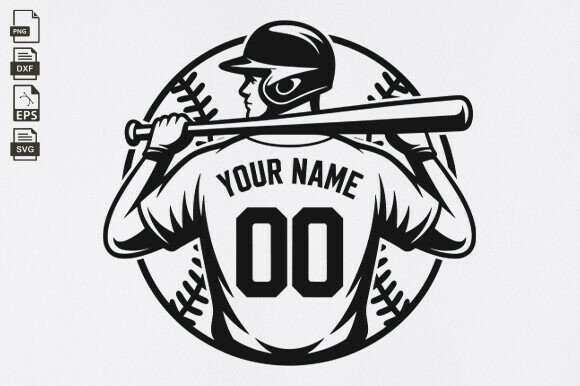
Personalized Name, Baseball Player, Base
A Designer’s First Look: Friendly, Focused, and Family-Forward
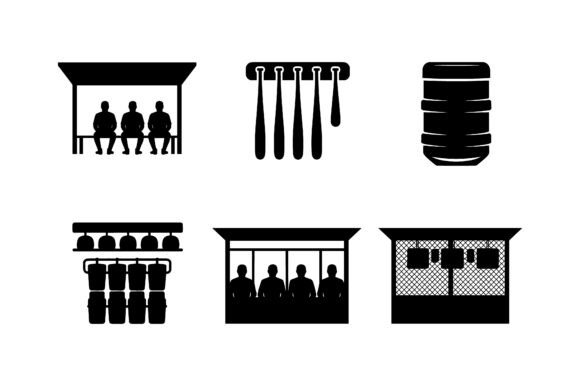
Opening Personalized Name, Baseball Player, Base for the first time feels like unboxing a well-thought-out sketch—clean lines, clear hierarchy, and an immediate sense of purpose. It’s not flashy or overly detailed, but it carries warmth and intention. The baseball player motif is stylized—not cartoonish, not hyper-realistic—just confident enough to read at a glance, with space built in for a name that doesn’t crowd the scene. The “Base” element anchors the composition visually and thematically, giving structure without rigidity. As a machine embroidery design, it leans into readability over ornamentation—a smart choice for real-world use where clarity matters more than complexity.
Where This Design Finds Its Footing (and Why It Sells)
I recently tested Personalized Name, Baseball Player, Base on a natural cotton canvas tote bag for a local Little League fundraiser. The result? Instant recognition, genuine smiles, and zero confusion about who it was for. That’s the quiet strength of this embroidery file: it works hardest where personal connection matters most—on sweatshirt cuffs, baby onesies, embroidered patches for team gear, or kitchen towels gifted to a proud baseball mom. It’s equally at home on an apron for a coach’s spouse or stitched onto a pillow cover for a nursery themed around “first pitch” milestones.
For Etsy sellers and small shop owners, this is low-risk, high-resonance design territory. It fits neatly into seasonal listings—spring openings, end-of-season celebrations, even Father’s Day when paired with a subtle “Coach” variation. Because it’s rooted in a shared cultural moment (youth baseball), it avoids trend fatigue while still feeling fresh and handmade. Customers don’t need to decode it—they *get* it, and that builds trust faster than any marketing copy.
Real Embroidery Realities: What Works—and What Needs Care
Let’s be direct: Personalized Name, Baseball Player, Base shines on stable, medium-weight fabrics—think midweight cotton tees, twill caps, linen tea towels, or quilted pillow covers. On those surfaces, the satin stitch elements hold shape cleanly, and the fill stitch areas stay smooth without puckering. But I’d pause before stitching it directly onto thin jersey knits or highly textured terry cloth without testing stabilizer layers first. Stretchy fabric demands extra backing; dense stitch areas near the base or player silhouette can shift if tension isn’t dialed in.
Small hoop sizes (under 4x4 inches) require attention—the name field and player graphic sit close. If you’re embroidering on curved surfaces like structured caps, test placement early. The design’s balanced proportions help, but tight curves compress letter spacing slightly. Also, avoid placing it too close to seams or hems where fabric distortion could blur detail. And while the design reads well on dark fabric, confirm thread color contrast in your mockup—especially for names with fine lettering. A light gray thread on navy might vanish unless you boost saturation or switch to white.
Design Notes Every Embroiderer Should Check Before Stitching
- Test on scrap fabric first—especially if using textured, stretchy, or layered materials.
- Review stitch density in your embroidery software. High-density fills may benefit from reduced underlay on lightweight fabrics.
- Confirm hoop size compatibility. While compact, ensure your machine handles the full layout comfortably.
- Inspect small details—like the curve of the baseball glove or name kerning—before finalizing production.
- Try black-and-white mockups to assess legibility and contrast across fabric backgrounds.
- Use appropriate stabilizer: cutaway for knits, tear-away for stable wovens, and fusible for lightweight linens.
- Verify licensing terms before selling finished items or bundling this as part of a digital product collection.
How It Shapes Perception—Beyond the Stitch
Embroidery isn’t just decoration—it’s a signal. When customers see Personalized Name, Baseball Player, Base on a custom item, they register care, specificity, and authenticity. That matters whether you’re pricing a boutique sweatshirt at $78 or offering personalized baby embroidery as a $32 add-on. The design supports brand consistency because it’s cohesive—not so generic it fades into background noise, not so niche it limits appeal. It also elevates giftability: parents love seeing their child’s name anchored in something joyful and meaningful, not just decorative.
For craft business owners, this is a reliable anchor design—versatile enough to reuse across product categories (tote bags, patches, tea towels) while still feeling unique per customer. It doesn’t demand heavy editing to feel custom, which saves time during order fulfillment. And because it’s categorized under Graphics and Crafts, it aligns naturally with digital embroidery file buyers who value clean, production-ready assets—not placeholder art.
Final Thought: A Thoughtful Tool, Not Just Another Download
Personalized Name, Baseball Player, Base isn’t a “wow” design meant for gallery walls—it’s a quietly capable one built for real life. It understands its audience: families who live in dugouts and bleachers, makers who stitch with intention, and small businesses that rely on repeatable quality. Used well—with attention to fabric, stabilizer, and context—it becomes more than a machine embroidery design. It becomes a small moment of recognition, stitched in thread.